
Hurricane readiness, one decision at a time
Make a Plan Before the Storm
Decide where you’ll go, what you’ll bring, and how your household will stay connected. Use this guide to prepare now and adjust your plan as circumstances change.
Keep the Details Everyone Needs Within Reach
- Choose a place to meet near home
- Pick a meeting place outside your neighborhood
- Name an out-of-area contact for updates
- Agree on how to check in if calls fail
- Give each person a copy of the plan
- Practice the plan with children and caregivers
- Identify where you can stay outside the risk area
- Check local shelter information before you need it
- Find destinations that can accommodate pets
- Map more than one route out
- Arrange a ride if you cannot drive
- Plan transport for mobility or medical equipment
- Save local emergency alerts and official contacts
- Keep family and caregiver phone numbers on paper
- Store identification and insurance copies securely
- List medications, care instructions, and allergies
- Keep pet records and veterinarian details handy
- Carry a charged phone and a backup power option
Pack for your household
Build a Hurricane Supply Kit

Food and Water
Store drinking water and shelf-stable food for each person and pet. Include a manual can opener and account for dietary needs.
Light and Charging
Keep flashlights, spare batteries, charged power banks, and charging cables ready. Choose battery-powered lights over candles.
Health and Sanitation
Set aside needed medications, a first-aid kit, hygiene supplies, trash bags, and a way to wash or sanitize hands.
Personal Needs
Add diapers, mobility supplies, pet essentials, and comfort items as needed. Check dates and update the kit when household needs change.

Get Your Property Ready Before the Storm
Inspect windows and doors, and install shutters or other protection you already have according to their instructions. Bring in or secure outdoor furniture, tools, and other loose objects. Clear gutters and drains where it is safe to do so, and have hazardous tree limbs assessed by a qualified professional.
Move vehicles away from trees and flood-prone areas if you can do so safely. Photograph your property, keep insurance documents accessible in a secure, waterproof place, and learn where and how to shut off water, gas, and electricity. Follow utility guidance; never operate a shutoff you do not understand.
Prepare for a Power Outage in Three Steps
Make a plan for light, communication, food, and health needs before the electricity goes out.
1
Set Up Safe Light and Charging
Put flashlights within reach, charge phones and power banks, and identify a safe charging option. Avoid candles, and use battery-powered lighting indoors.
2
Protect Food and Medical Needs
Plan to keep refrigerator and freezer doors closed, and have shelf-stable meals ready. If anyone relies on powered medical equipment or temperature-sensitive medication, arrange backup power and a place to go if needed.
3
Use Backup Power Safely
Use generators outdoors, well away from doors, windows, and vents, following manufacturer instructions. Never run fuel-burning equipment indoors or in a garage; keep carbon monoxide alarms working and maintain safe ventilation.
Plan for Children and Older Adults
StormPrepared helps households turn hurricane information into practical decisions. Its mission is to make preparation easier to revisit as family needs change. Start by identifying who needs help moving, taking medication, understanding instructions, or staying comfortable during an outage or evacuation. Pack age-appropriate supplies and medical equipment, arrange reliable transportation, and decide who will supervise each person if the household must separate. Keep emergency contacts and care instructions accessible to trusted caregivers, and practice the plan together before a storm threatens.
Pack for Every Pet
Set aside several days of your pet’s usual food and water, plus bowls, waste supplies, comfort items, and any medication. Check expiration dates and refill prescriptions before supplies run low.
Keep Pets Ready to Travel
Place a labeled carrier or leash where you can reach it quickly. Confirm that collars, tags, and microchip contact details are current, and keep recent photos and veterinary records with your evacuation supplies.
Choose a Place That Welcomes Pets
Identify pet-friendly lodging, shelters, or trusted contacts along more than one evacuation route. Confirm policies and space before you leave; do not assume a general emergency shelter accepts animals.
Protect Your Essential Records
Create a secure, portable set of documents so you can verify your identity, manage care, and document losses before and after a hurricane.

Build a Record Backup You Can Use
Gather current copies, store them in more than one secure location, and make sure a trusted household member knows how to access them. Use the steps below as a checklist, then review the file whenever coverage, medications, finances, or contacts change.
1. Collect Identification
Gather copies of IDs, passports, birth certificates, and other documents your household may need for travel, assistance, or replacement services. Keep originals secure and copies easy to take when evacuating.
2. Save Coverage and Financial Details
Copy insurance policies, claim phone numbers, account contacts, and essential financial records. Note policy numbers and deductibles so you can find them without relying on internet access.
3. Record Medical Needs and Contacts
Keep medication lists, prescriptions, allergies, care instructions, and provider details current. Add emergency contacts, including an out-of-area contact, and share access only with people you trust.
4. Photograph Your Property
Take dated photos or video of rooms, valuable belongings, and important documents before a storm. Afterward, document damage when it is safe to do so, and retain receipts for repairs and temporary expenses.
5. Store, Secure, and Recheck
Keep paper copies in a sealed, water-resistant container and encrypted digital copies in a secure backup. Protect passwords separately, verify that files open, and update your records after major household changes or each storm season.
Returning Home, Step by Step
Wait for official clearance, then move through these recovery priorities at a safe pace. Conditions can change even after a storm has passed.
Step 1
Confirm Access Before Traveling
Follow local instructions and respect restricted areas. Check for road closures, flooding, downed lines, and debris before choosing a route home.
Step 2
Check the Structure Before Entering
Look for visible damage, unstable surfaces, standing water, and electrical hazards. If the building appears unsafe, stay outside and seek qualified help.
Step 3
Protect Water, Food, and Health
Follow local drinking-water advisories and discard food that may have spoiled during an outage or contacted floodwater. Plan for medication and cooling needs if power remains out.
Step 4
Document Damage and Plan the Next Steps
Photograph damage before cleanup when it is safe to do so, keep receipts, and contact your insurer about the claims process. Prepare for extended outages and revisit your household plan as recovery continues.
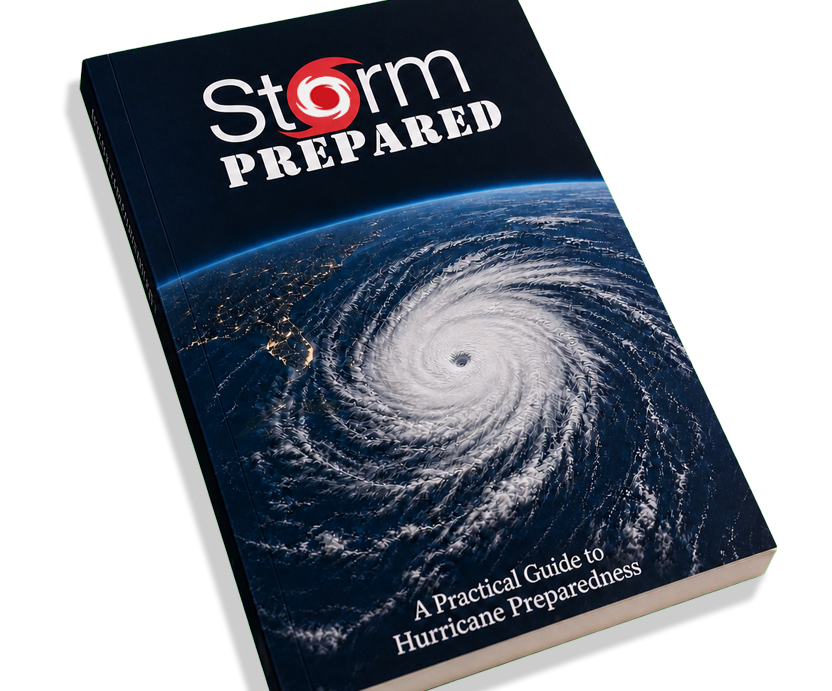
Turn Information Into a Plan
Review your plan as household members, health needs, pets, your home, and evacuation options change. Choose one practical update today, then revisit it before the next storm.